If you are drawn to places with a real sense of history, a walkable center, and homes with character, Locust Valley is worth a closer look. This North Shore hamlet offers more than a pretty setting. It combines deep local roots, a layered housing story, and a day-to-day rhythm that feels both connected and calm. If you are considering a move or simply exploring the area, this guide will help you understand what living in Locust Valley is really like. Let’s dive in.
Locust Valley at a glance
Locust Valley is an unincorporated community in the Town of Oyster Bay in Nassau County. Local sources also describe a broader service area that includes nearby communities such as Lattingtown, Matinecock, and Mill Neck. That wider setting helps explain why Locust Valley often feels like part of a larger North Shore landscape while still maintaining its own distinct identity.
What stands out most is that Locust Valley does not read like a generic suburb. It feels like a small historic hamlet with a strong sense of place. That identity comes through in its street patterns, older buildings, and the way community life still centers around familiar local landmarks.
Locust Valley history shapes daily life
The area’s story goes back centuries. According to the Locust Valley Chamber of Commerce, the community traces its history to a 1667 settlement, carried the name Buckram in the 1700s, and became known as Locust Valley in 1856. Rail service arrived by 1870, helping connect the hamlet to the wider region.
By the early 20th century, the area evolved again as woodland estates, horse farms, polo fields, and private clubs became part of the local landscape. That history still influences how Locust Valley feels today. You can sense continuity here, where longstanding properties, preserved open spaces, and traditional institutions remain part of the setting.
Several historic places help tell that story. The National Park Service listing for New York historic places includes the Matinecock Friends Meetinghouse in Locust Valley, as well as early houses tied to the area’s colonial past. The same record also notes Locust Valley Cemetery, a parklike landscape designed by the Olmsted Brothers in 1917.
Homes in Locust Valley
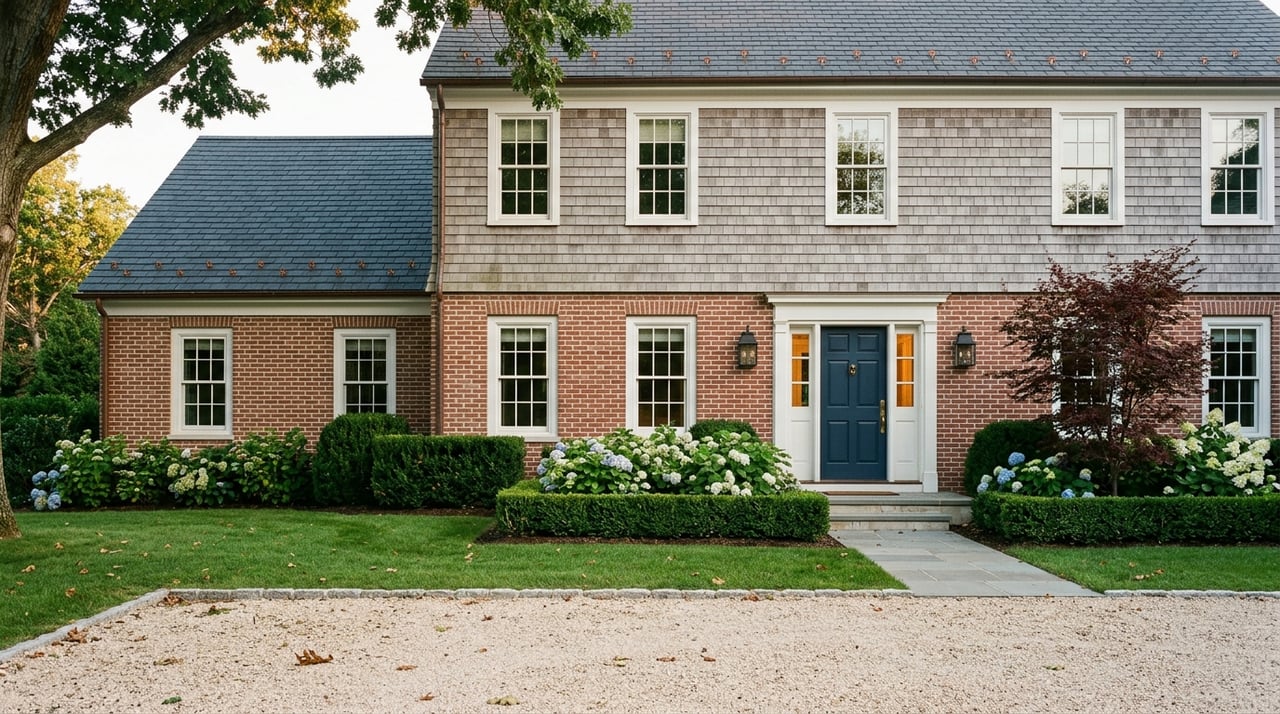
One of the most appealing parts of Locust Valley is that its housing story is layered. Instead of one dominant home style, the area reflects different eras of development and preservation. Based on the local historic record, it is best described as a broad architectural mix that includes early colonial-era survivals, turn-of-the-century village homes, and larger estate properties.
That variety matters if you are home shopping here. Some buyers are drawn to older homes with original details and established settings. Others may be looking for a carefully restored property or a residence shaped by the Gold Coast legacy that defines much of the North Shore.
A helpful way to think about Locust Valley is through continuity rather than one label. Older houses, preserved estates, and updated homes can all coexist here, creating a built environment that feels collected over time instead of produced all at once.
Historic and design influences
The surrounding area offers context for the kind of architecture many buyers associate with this part of Long Island. Nearby, Planting Fields Arboretum State Historic Park includes Coe Hall, which New York State Parks describes as a Tudor Revival residence on an estate of more than 400 acres. That nearby landmark helps illustrate the design traditions that have shaped the North Shore.
In Locust Valley itself, the historic home known as COCUYO reflects another layer of architectural interest. Preservation Long Island notes that it was originally built in 1929 by architect Harrie T. Lindeberg, with original decorative details still intact. Together, examples like these reinforce the idea that design and preservation are part of the local identity.
Daily life in Locust Valley
Locust Valley’s center is compact and service-oriented, which is part of its appeal. The local chamber describes a business district with shops, restaurants, and professional services. That means many of the practical stops of daily life are part of a recognizable local core rather than spread out without a center.
The community calendar also adds to the atmosphere. Events such as car shows, sidewalk sales, fall festivals in Thomas Park, holiday strolls, and tree lighting celebrations create recurring moments that bring people together throughout the year. For many buyers, that kind of rhythm is part of what makes a place feel established and livable.
Thomas Park and the town center
Thomas Park is one of the clearest examples of how community life plays out in Locust Valley. The Town of Oyster Bay describes Thomas Park as a beautiful site in the center of the hamlet and a gathering place for many residents and organizations. It is the kind of familiar public space that gives a town center warmth and function.
If you are picturing day-to-day life here, Thomas Park is part of that image. It supports events, informal meetups, and the shared routines that help a smaller hamlet feel connected.
The library as a community anchor
The Locust Valley Library adds another meaningful layer to local life. Its current building dates to 1914, when it served as the Matinecock Neighborhood House, and the library notes that it has continued as a community center over time. That kind of institutional continuity says a lot about the hamlet.
The library also offers museum passes that connect residents to museums across Long Island and New York City. For people who want a quieter home base without losing cultural access, that is a small but telling detail.
Outdoor life and nearby waterfront access
Outdoor space is an important part of living in Locust Valley. The Bailey Arboretum is a 42-acre public arboretum right in Locust Valley, with trails, gardens, educational programs, and events. It offers an easy way to enjoy green space close to home.
Nearby, Planting Fields expands that outdoor experience even further with more than 400 acres of lawns, gardens, woodlands, and tours. Between the two, residents have access to landscapes that support both everyday walks and more immersive outings.
Waterfront access is also part of the broader lifestyle conversation, but it is important to be precise. The City of Glen Cove notes that Morgan Memorial Park includes waterfront parkland and a bathing beach and may be used by Locust Valley residents, though access is governed by residency rules. In practical terms, that means the nearby beach lifestyle is real, but access depends on local rules rather than universal public entry.
Private clubs and North Shore heritage
Locust Valley’s setting also reflects the private club and estate traditions long associated with the North Shore. The chamber notes that private clubs, horse farms, and polo fields followed the early-20th-century estate era. These are best understood as part of the area’s historical and visual character rather than public amenities.
That distinction matters if you are evaluating lifestyle fit. Private institutions contribute to the hamlet’s identity, but access is membership-specific. For many buyers, their presence still helps define the atmosphere and long-standing traditions of the area.
Commuting from Locust Valley
For a place with a quieter, tucked-away feel, Locust Valley remains connected. The Locust Valley Long Island Rail Road station is on the Oyster Bay Branch and includes accessibility features, ticket machines, and a waiting area. That rail connection helps support commutes and regional travel without losing the sense of separation that draws many people to the North Shore.
This balance is part of Locust Valley’s appeal. You can enjoy a more peaceful residential setting while still maintaining practical access to other parts of Long Island and the New York metro area.
Who is drawn to Locust Valley?
Locust Valley often appeals to buyers who want more than square footage alone. You may be drawn here if you value:
- A strong sense of local history
- Homes with architectural character
- A compact town center with everyday services
- Green space and nearby waterfront options
- A quieter North Shore setting with rail access
In many ways, Locust Valley offers a lifestyle built on texture and continuity. It feels established, visually interesting, and connected to a longer story.
Why Locust Valley stands out
What makes Locust Valley memorable is not one single feature. It is the combination of historic identity, varied homes, local institutions, outdoor space, and a village-like rhythm that gives the hamlet its staying power. For buyers exploring the North Shore, that mix can feel especially compelling.
If you are considering a move to Locust Valley or trying to understand how it compares with other North Shore communities, local guidance matters. A design-aware, market-savvy perspective can help you evaluate not just price and inventory, but also how a home and location fit the life you want to build. If you are ready to talk through your options, connect with Karen Sharf for thoughtful, personalized guidance.
FAQs
What is Locust Valley known for in Nassau County?
- Locust Valley is known for its historic identity, layered housing character, compact village center, and North Shore setting within the Town of Oyster Bay.
What kinds of homes are found in Locust Valley?
- Locust Valley has a broad architectural mix that includes early historic homes, turn-of-the-century village houses, and larger estate-style properties.
What is daily life like in Locust Valley?
- Daily life in Locust Valley centers around a compact business district, community events, Thomas Park, the library, and easy access to outdoor spaces.
Are there parks and outdoor spaces in Locust Valley?
- Yes. Bailey Arboretum is in Locust Valley, and nearby Planting Fields offers additional gardens, lawns, woodlands, and tours.
Is there beach access near Locust Valley?
- There is nearby waterfront access, including Morgan Memorial Park in Glen Cove for eligible residents, but access is subject to local residency rules.
Can you commute from Locust Valley by train?
- Yes. Locust Valley has a Long Island Rail Road station on the Oyster Bay Branch, which supports commuting and regional travel.